Leave a Message

Thank you for your message. We will be in touch with you shortly.

Life on Cordry & Sweetwater Lakes

December 18, 2025

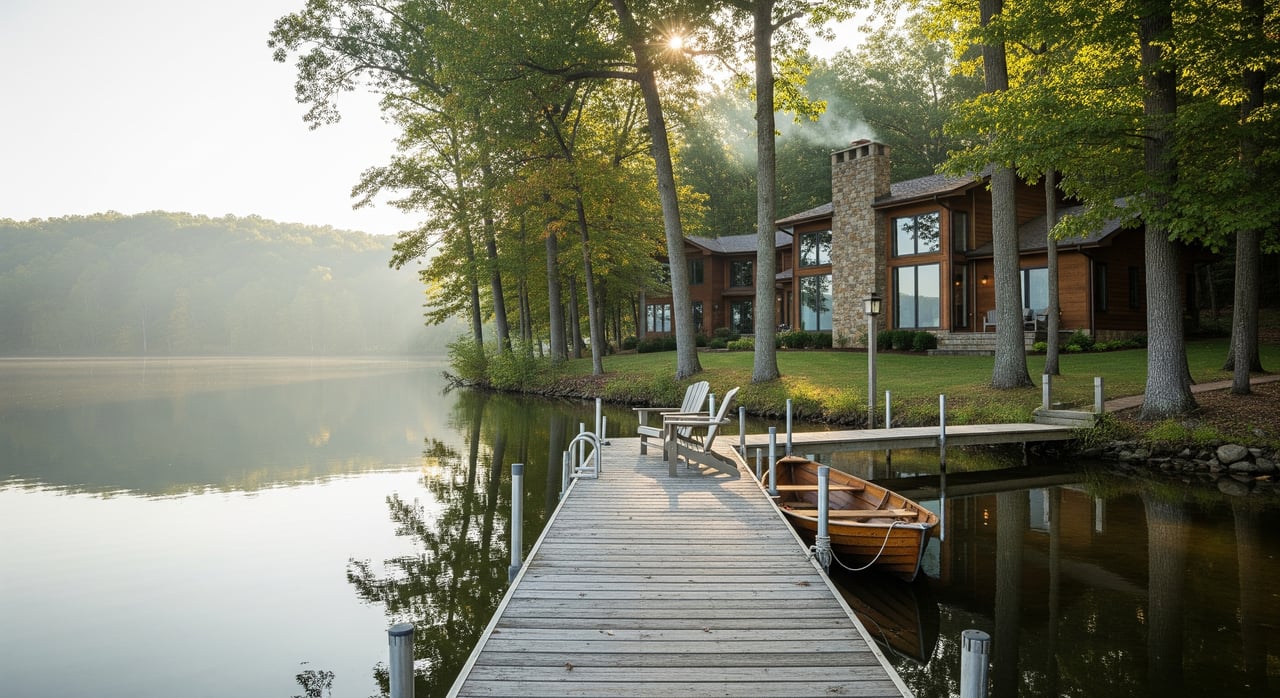
Dreaming of coffee on the dock and sunset cruises after dinner? Life on Cordry and Sweetwater Lakes offers that easy, outdoors-forward rhythm many buyers want, with a real community feel and a clear set of rules that keep the lakes healthy and fun. If you’re considering a home here, you likely want to understand seasons, boating, docks, and day-to-day logistics. This guide walks you through the essentials so you can enjoy lake living with fewer surprises and more time on the water. Let’s dive in.

Everyday life on the lakes

Cordry and Sweetwater are private residential lake communities shaped by an owners’ association that manages common areas, seasonal operations, and permits. You’ll find a mix of full-time residents and weekenders, with the busiest months typically running late spring through early fall. Expect an active lifestyle of boating, swimming, paddle sports, fishing, and casual gatherings. Property types vary from true lakefront to near-lake and inland lots, and rules often depend on your specific parcel.

The association’s covenants and rules outline how the lakes run. Key topics include watercraft regulations, docks and shoreline changes, architectural review for home projects, and guest or parking policies. Before you buy or start a project, request the latest governing documents and speak with the association to confirm current policies and any recent updates.

Boating season and water use

Central Indiana’s practical boating season usually spans from spring ice-out into October, with peak activity from late May through Labor Day. Exact dates can shift with weather and the association’s calendar for launch points and swim areas. If you plan to trailer a boat in, check whether the association has designated launch procedures, hours, or guest allowances.

State boating laws still apply on private lakes. Make sure your vessel registration, safety equipment, and navigation lights are in order. If you have newer drivers, confirm age limits and education card requirements for operators. Plan to inspect, clean, and dry your boat and gear to reduce the spread of aquatic invasive species.

Community-specific rules to confirm

  • Speed limits, no-wake zones, and quiet hours.
  • Personal watercraft policies and tow-sports guidelines.
  • Guest boat rules, temporary passes, and launch logistics.
  • Insurance requirements for motorized craft.
  • Assigned slips or placement rules for docks and lifts.

Dock and shoreline changes

In most private lake communities, the association regulates docks, lifts, canopies, and shoreline work. Approval is usually required for new construction, replacements, or modifications. Rules commonly address size, materials, setbacks from neighbors, and how far a dock can extend into the water. Some associations restrict boathouses, and many set standards for colors and float types.

County and state permits can also apply, especially if your project affects the shoreline, wetlands, or the lakebed. When in doubt, start with the association, then check county building and zoning. Certain activities can involve state agencies for waterway impacts or herbicide use. If dredging or wetlands are involved, federal permits may be needed. Your best move is to hire contractors who routinely work on these lakes and can coordinate approvals.

Shoreline stability and lake health

  • Ask about approved methods for erosion control. Many communities favor native plantings and bioengineering over hard riprap where feasible.
  • Keep an eye on vegetation and algae. The association may manage weeds, treat algae, stock fish, or schedule dredging. Follow any posted notices for swimming or fishing after treatments.
  • If you are buying lakefront, request the property’s shoreline history and any prior remediation or association assessments.

A smart seasonal timeline

Planning ahead keeps lake living simple. Use this rhythm as a starting point and adjust to your property and the association calendar.

Late winter to early spring

  • Review association rules and renew memberships or assessments.
  • Order dock materials or schedule installers before calendars fill.
  • Renew boat registrations and confirm insurance.
  • Set vendor access and any gate codes if required.

Spring

  • Install docks and lifts once ice is out and the association opens the season.
  • Commission boats: safety checks, batteries, and required gear.
  • Clean up shorelines and confirm swim area safety.

Summer

  • Enjoy peak boating and paddle sports.
  • Watch for association messages on algae control, weed harvesting, or water quality notices.
  • If shoreline or dredging work is planned, coordinate timing and neighbor communication.

Fall

  • Decommission boats and schedule winterizing.
  • Remove or secure dock and lift components based on association rules.
  • Handle leaf and yard cleanup to protect drainage and the shoreline.

Winter

  • Plan upgrades and maintenance during the quiet season.
  • Follow any ice safety notices if applicable.
  • Line up spring vendors early.

Winterizing your boat and home

Indiana’s freeze-thaw cycle is tough on marine gear and home systems. Aim to winterize before hard freezes in late fall.

Boats and docks

  • Boat engines: fogging, fuel stabilization, battery maintenance, and bilge dry-out.
  • Storage: choose on-site racks, garage, or off-site storage that fits your access and budget.
  • Docks and lifts: remove seasonal parts if required, elevate motors and electrical components, and secure anchors. Ask vendors about ice-ejection or alternative protection.

Home systems

  • Wells and water lines: insulate exposed lines and use frost-free hydrants where possible.
  • Septic systems: follow pumping schedules and avoid driving over drainfields.
  • HVAC and plumbing: schedule seasonal service and prepare for vacant periods if you are not full-time.

Working with vendors and contractors

Lake homes rely on specialized vendors: dock installers, boat service, shoreline specialists, electricians for dock power, septic pros, HVAC and plumbing, landscaping, pest control, and general contractors. Many associations require vendor registration, proof of insurance, and adherence to work hours and access rules.

How to choose wisely

  • Look for contractors with Cordry and Sweetwater experience and references for similar lake projects.
  • Confirm who will manage permits and inspections with the association, county, or state.
  • Verify insurance and worker’s compensation, and clarify warranty terms for seasonal equipment.
  • Set vendor passes and staging plans before work starts, and coordinate with neighbors if required.
  • Call 811 before any ground work to locate utilities.

Buyer and new-owner checklist

Use this quick list to reduce surprises and start strong.

Before you buy

  • Request full covenants, bylaws, and current rules from the association.
  • Review recent meeting minutes, assessment history, and any special assessments.
  • Confirm parcel county and township, then pull zoning requirements.
  • Ask for shoreline, dredging, and invasive species treatment history.
  • Clarify dock assignment, design rules, and whether boathouses are allowed.

First 30 to 60 days after closing

  • Register with the association and secure gate or launch credentials.
  • Review dock and boat policies and update your boat registration and insurance.
  • Set up contractors for an initial safety and systems review.

Annual routine

  • Spring: inspect shoreline and schedule dock and boat services.
  • Summer: watch association updates and water treatment notices.
  • Fall: plan winterizing and seasonal removals.
  • Winter: review maintenance plans and line up spring vendors.

Ready to explore lakeside living?

Cordry and Sweetwater deliver the balance many buyers want: laid-back fun on the water, clear community standards, and a seasonal rhythm that rewards planning. With the right preparation and vendor team, you can settle in and spend more time doing what you came for. If you want help matching your lifestyle with the right lake property, or you need introductions to trusted local contractors, our team is here for you.

Let our family help your family. Reach out to Shelly Walters to talk through community rules, available homes, and next steps for a smooth move.

FAQs

What should first-time Cordry or Sweetwater buyers know?

  • Ask for the latest association rules, confirm annual assessments, and review dock policies, shoreline history, and any pending special assessments before you write an offer.

When does boating season typically run on these lakes?

  • Expect boating from spring ice-out into October, with peak use from late May through Labor Day, subject to weather and the association’s seasonal schedule.

Do I need approval to build or change a dock?

  • Yes, plan on association approval for docks, lifts, and shoreline work, and check county or state permit thresholds if your project impacts the shoreline or waterway.

What are common vendor requirements for work at the lake?

  • Contractors often need proof of insurance, association registration, adherence to work hours, and clear access plans; choose vendors familiar with these lakes and permitting.

How should I winterize a lake home and boat in Indiana?

  • Winterize boats before hard freezes, secure or remove dock components as required, insulate exposed water lines, follow septic maintenance schedules, and service HVAC seasonally.

Work With Us

Partnering with our team means more than just buying or selling a home — it means having trusted experts by your side every step of the way. We combine deep market knowledge, innovative strategies, and a commitment to exceptional service to deliver results you can count on. Whether you’re a first-time buyer, a seasoned investor, or ready to sell your property, we’ll guide you with professionalism, integrity, and care.