Torn between a brick-paved Village charmer and a brand-new home with modern comforts? You are not alone. Many Zionsville buyers love the history and walkability downtown offers, but they also want the space, systems, and warranties that come with new construction. In this guide, you will learn the real differences in lifestyle, maintenance, inspections, timing, and resale so you can choose with confidence. Let’s dive in.
How Zionsville’s options compare
Village feel and form
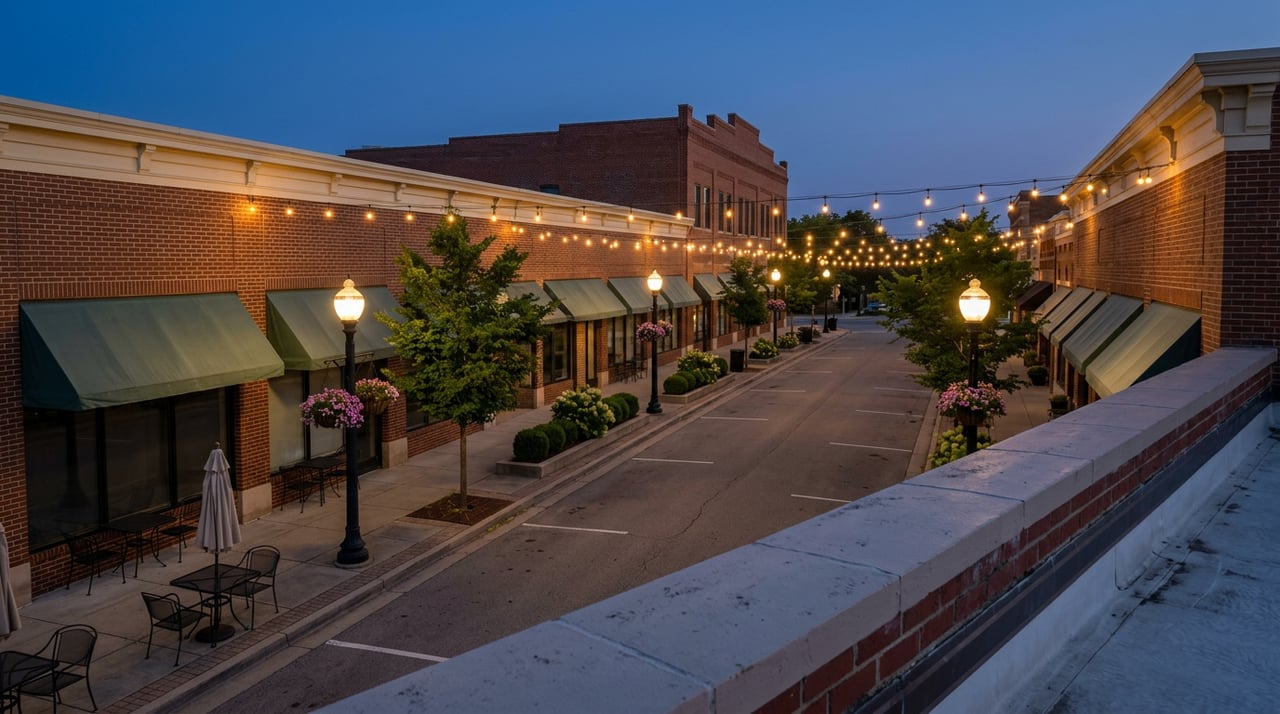
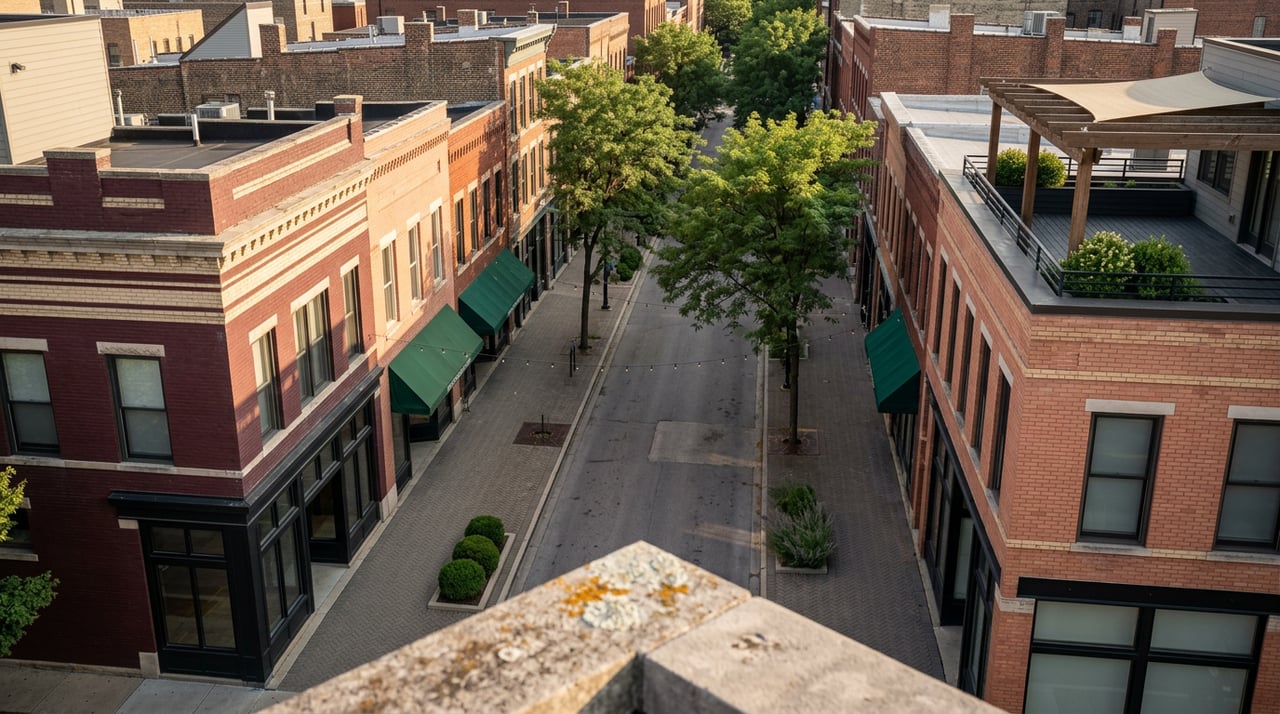
Zionsville’s historic core centers on Main Street’s brick streets, mature trees, and a mix of Victorian, Craftsman, and Colonial Revival homes. Lots are smaller and streets are tighter, which supports a walkable lifestyle with cafés, shops, and events nearby. Central Zionsville posts a higher Walk Score compared to outlying areas, and many addresses near the Village fall in the very walkable range. You can check a specific address using the local Walk Score map for Zionsville.
Zoning reflects that traditional pattern. Near downtown, the Town’s Village Residential districts allow closer setbacks and a street grid. If you are considering exterior changes later, review the official zoning map and contact the Planning & Building Department early for parcel-specific standards.
New subdivisions and PUDs
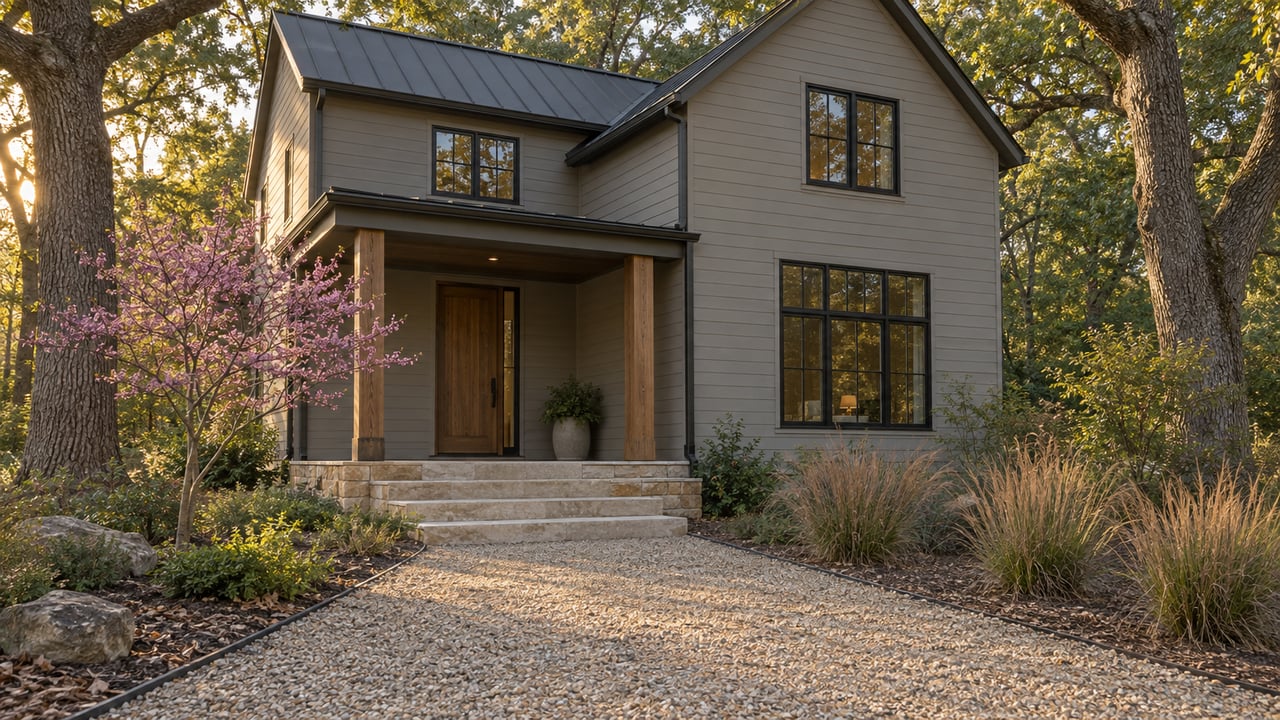
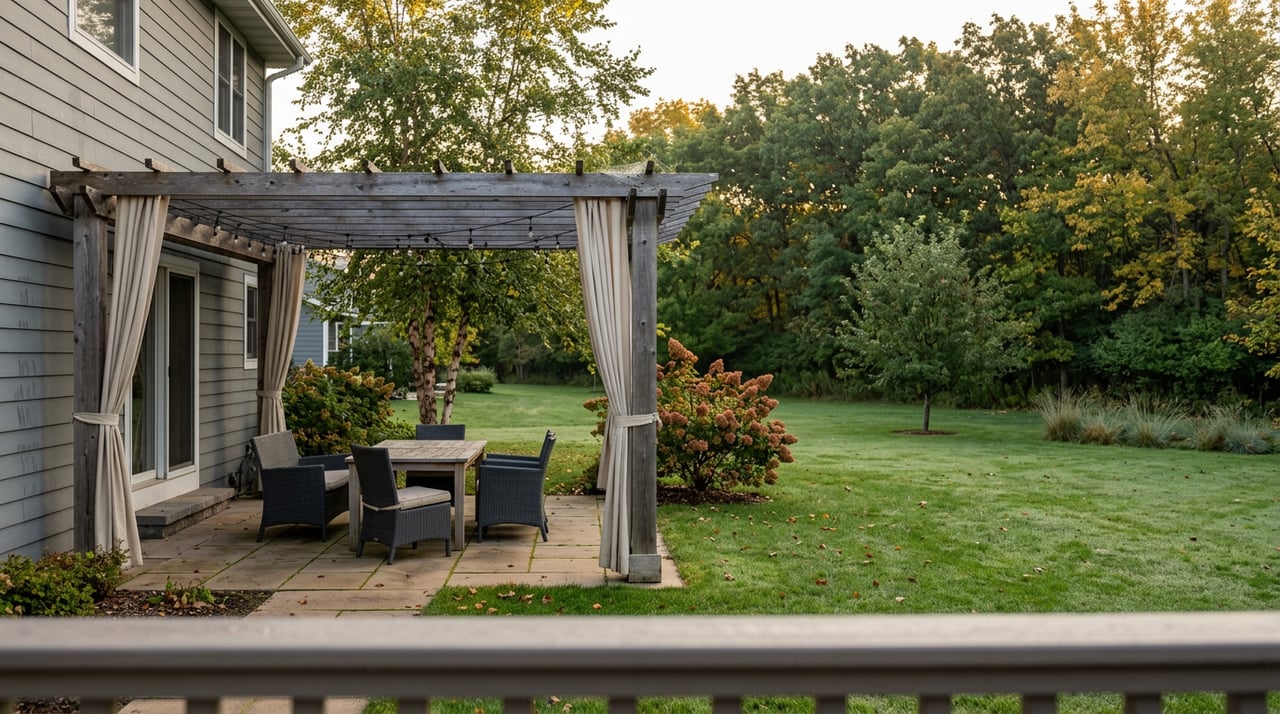
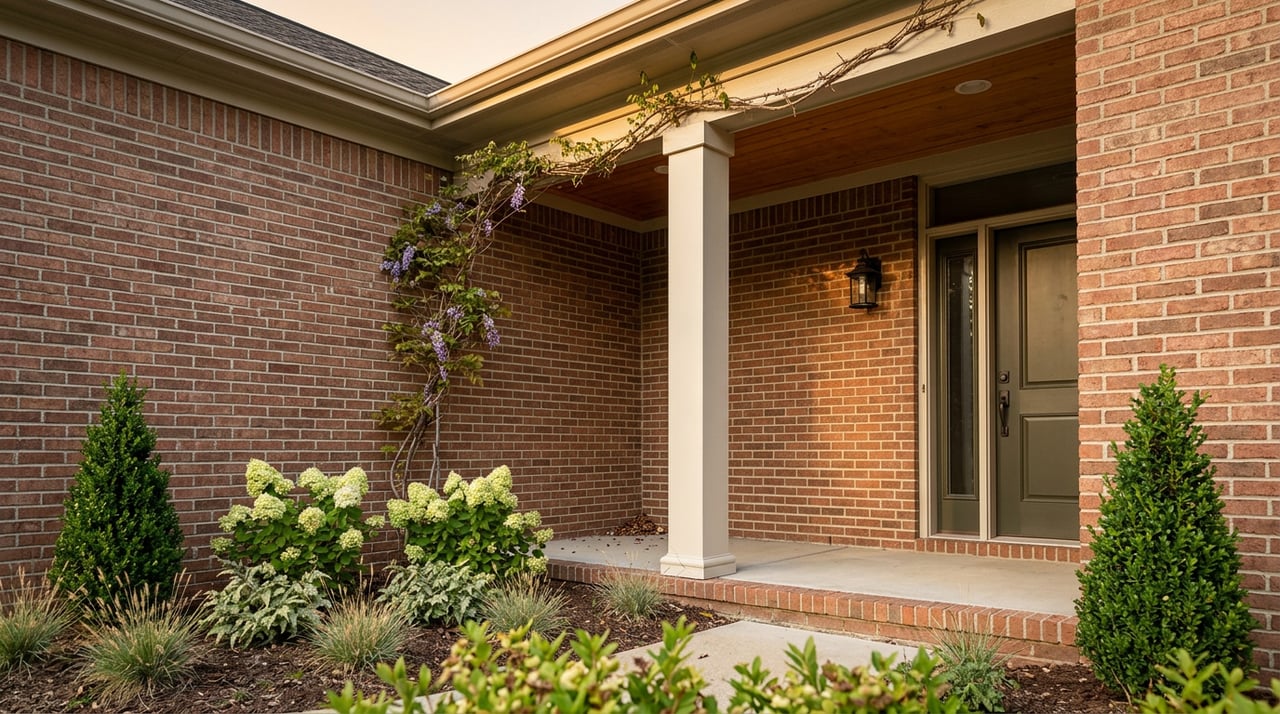
Newer Zionsville communities are usually planned unit developments with amenities like pools, paths, ponds, and club spaces. Homes often have open-plan layouts, larger garages, bigger rear yards, and cul-de-sacs. Many are governed by HOAs with covenants that shape exterior standards, leasing rules, and maintenance of shared spaces. If you are weighing a specific neighborhood, this primer on HOA basics in Zionsville explains common fees, rules, and what to review.
What it costs beyond price
Zionsville is a high-demand, low-inventory market. As of January 2026, Redfin reported a median sale price around 565,000 dollars, while Zillow’s index put the typical home value near 660,600 dollars through January 31, 2026. Different methods explain the gap, so rely on current MLS comps when you get serious about an address.
Schools are a core driver of demand. Zionsville Community Schools are widely recognized for strong outcomes, as reflected in public profiles like GreatSchools’ page for Zionsville Community High School. Neighborhoods across the town benefit from that draw, and resale interest tends to follow.
Inspections and upkeep: what to expect
Older Village homes: key checks
Owning history often means taking on ongoing stewardship. Plan for a thorough inspection sequence and a realistic maintenance budget.
- Lead-based paint: Homes built before 1978 can contain lead paint. Federal rules require disclosure, and you can request testing. See the EPA’s guidance for agents and buyers on the Renovation, Repair and Painting Program.
- Electrical safety: Look for older wiring types, limited circuits, and missing GFCI or AFCI protection. Upgrades may be needed to meet modern insurance and safety expectations.
- Plumbing: Galvanized and cast-iron lines can corrode or clog. Slow drains are a red flag. A sewer scope can spot issues in older clay or cast-iron laterals.
- HVAC and insulation: Older furnaces and AC units may be near end of life. Verify ventilation, duct condition, and insulation levels.
- Foundations and moisture: Parts of Boone County have silty and clay soils that can affect drainage and foundation movement. If you see step cracks, uneven floors, or past water intrusion, consult a structural engineer and review local soil info through the county’s soil surveys.
- Exterior preservation: Roofs, windows, porches, and period trim may require specialized trades. Historic-sensitive repairs can cost more per unit than modern materials.
Practical takeaway: Budget for targeted inspections and a higher ongoing maintenance allowance than you might for a newer home.
New construction and recent builds: key checks
Newer systems reduce near-term maintenance, but independent inspections still matter.
- Staged inspections: If possible, schedule a pre-drywall inspection, a final inspection before closing, and an 11-month warranty walkthrough.
- Warranties: Many builders use a third-party warranty structure commonly called 1-2-10. That typically means 1 year workmanship, 2 years systems, and 10 years structural coverage. Confirm details in writing and review the provider’s scope, as outlined by 2-10 Home Buyers Warranty.
- Workmanship and drainage: Inspect grading, gutters, caulking, and attic insulation. Early corrections prevent future moisture issues.
Practical takeaway: New builds shift your focus from big unknowns to verifying finish quality and documenting warranty items on time.
Timelines, permits, and financing
- Closing timelines: Most resales close within 30 to 45 days once contingencies are set. New construction varies. Quick-move homes can close in weeks, while semi-custom or ground-up projects can take several months.
- Permits and review: In the Village, some exterior changes can require municipal review or historic approvals. Check the Town’s Planning & Building Department early and review relevant historic materials in the Town’s public archives.
- Financing notes: Resales follow a standard appraisal and inspection path. New construction may involve construction-to-permanent loans or builder incentives. Appraisals in new neighborhoods can be sensitive to the most recent comparable sales. Talk with your lender before you select a lot or finalize upgrades.
Resale and value drivers
- Walkability premium: National research shows that homes in more walkable neighborhoods can sell at a premium after controlling for other factors. CEOs for Cities summarized this effect in Walking the Walk. In Zionsville, Village addresses with higher Walk Scores and easy access to Main Street amenities often attract buyers who will pay more for convenience and character.
- School influence: Public profiles for Zionsville Community Schools, such as GreatSchools, reflect strong outcomes that consistently bring buyer attention across neighborhoods.
- Historic districts and overlays: Preservation tools can stabilize or lift values over time, while also guiding visible changes. If a property is within a review area, you may need approvals for exterior work. Start by checking the Town’s archive resources and then confirm address-specific requirements with Planning & Building.
Quick decision guide
Lifestyle fit
- You want to walk to coffee, dinner, and seasonal events more than you want a big yard. Consider the Village and verify the Walk Score for each address.
- You want an open-plan layout, larger garage, and more private outdoor space. Consider newer subdivisions and request the HOA’s amenities list and rules.
Budget and cash needs
- Older homes: Add a reserve for near-term items like roof, electrical upgrades, HVAC, plumbing, and possible drainage or foundation work. Include routine historic-sensitive maintenance.
- New builds: Plan for lot premiums and design options. Read the warranty’s exclusions and set aside funds for appliances, window treatments, and landscaping that may not be included.
Due diligence checklist
- Village and older properties:
- General home inspection
- Sewer scope and water service line review
- Lead paint test for pre-1978 homes using EPA guidance
- Termite/wood-destroying organism inspection
- Structural engineer if cracks or settling are present and consult Boone County soil resources
- Confirm any historic overlay review with Town Planning & Building
- New builds and recent construction:
- Pre-drywall inspection if allowed
- Final independent inspection
- 11-month warranty walkthrough; review 1-2-10 terms via 2-10’s overview
- If applicable, request HOA resale packet and covenants
Next steps
- Tour both options back-to-back. Spend time on Main Street to feel the Village rhythm, then visit newer communities at peak hours to gauge traffic and amenities.
- Align your budget with the right inspection and warranty strategy. Older homes often need a higher maintenance reserve. New homes shift focus to workmanship and warranty coverage.
- Check rules early. Review the zoning map for setbacks and the Planning & Building Department for permits or historic review.
- Request HOA documents for any newer community you are considering and read them closely for exterior standards and leasing rules.
- Get current MLS comps and a negotiation plan tailored to your target address. Village listings and new builds behave differently on price, concessions, and timing.
If you want a local, family-centered team to help you compare homes, gather the right documents, and negotiate with clarity, connect with Shelly Walters. Let our family help your family.
FAQs
What makes Zionsville’s Village different from newer subdivisions?
- The Village offers walkable access to Main Street, smaller lots, and historic architecture, while newer subdivisions feature larger yards, modern layouts, amenities, and HOA governance.
Are there special permits for renovating a Village home in Zionsville?
- Some exterior changes in the Village may require municipal or historic review, so start with the Town’s Planning & Building Department to confirm what applies to your address.
How do Boone County soils affect older foundations?
- Parts of the county have silty and clay soils that can impact drainage and foundation movement, so ask your inspector about concerns and consult Boone County soil surveys.
Do I still need inspections on new construction in Zionsville?
- Yes, schedule a pre-drywall inspection if allowed, a final inspection before closing, and an 11-month warranty walkthrough to document items within the builder’s 1-2-10 coverage.
How strong is school influence on Zionsville home values?
- Public profiles like GreatSchools reflect strong outcomes that attract buyers townwide, which helps support demand across neighborhoods.
Is there a resale premium for walkable addresses in Zionsville?
- Research such as Walking the Walk finds a premium for more walkable neighborhoods, and Village homes often benefit from that in practice due to proximity to Main Street.