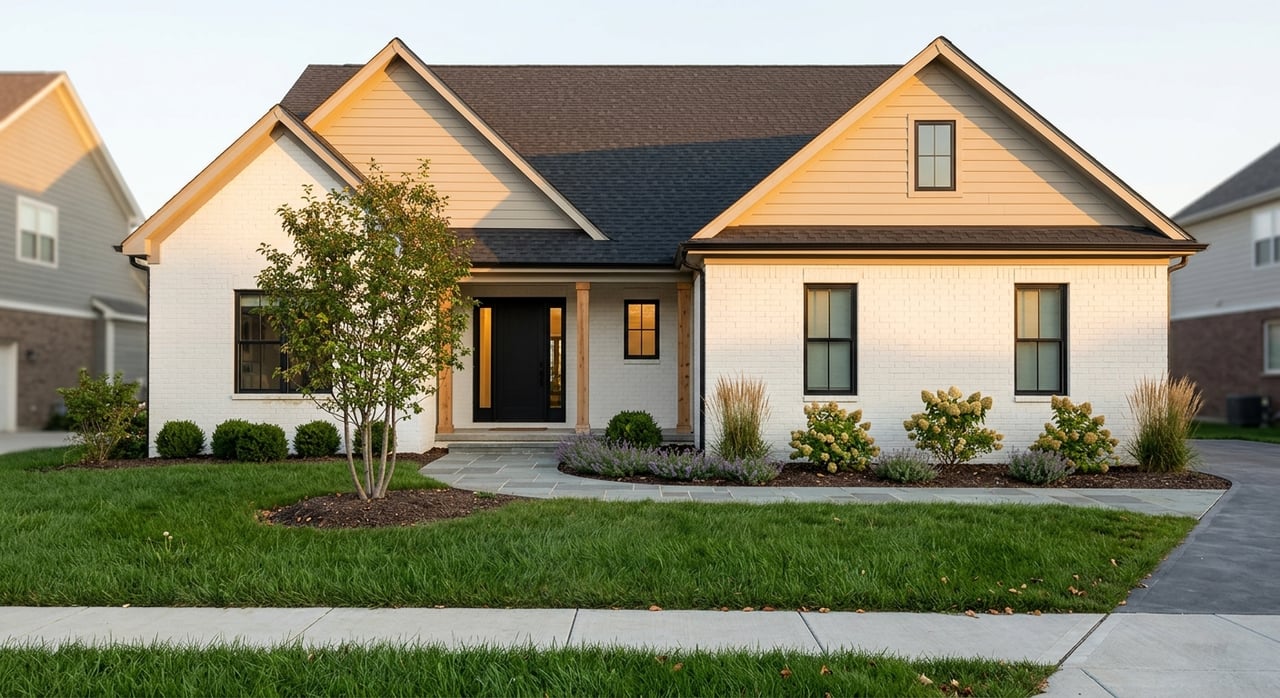
Indianapolis vs Suburbs Move: Downtown or North Suburbs?
April 2, 2026
April 2, 2026
Trying to choose between downtown Indianapolis and the north suburbs? You are not alone. Many buyers relocating to the Indianapolis area find that the hardest part is not picking a house, but picking the kind of daily life they want. If you are weighing city energy against suburban space, this guide will help you compare housing, commute patterns, lifestyle, and long-term fit so you can move forward with more confidence. Let’s dive in.
The biggest difference between downtown Indianapolis and the north suburbs is not just location. It is how you want your days to feel.
If you want to be close to downtown employers, restaurants, arts venues, and entertainment, downtown Indianapolis usually offers the most urban convenience. If you want more owner-occupied neighborhoods, detached-home options, and mixed-use suburban districts, the north suburbs often make more sense.
The numbers support that divide. According to the U.S. Census QuickFacts for Indianapolis city balance, the city has a 56.0% owner-occupied housing rate, a median home value of $224,800, and median gross rent of $1,156. By comparison, Carmel, Fishers, and Noblesville all show higher owner-occupancy and higher home values.
For many buyers, housing style is the clearest deciding factor. Downtown Indianapolis offers the strongest mix of apartments, lofts, condos, and nearby historic homes.
The downtown housing mix includes communities such as CityWay, Penn Street Tower, Janus Lofts, and 1010 Central, along with historic areas near downtown like Lockerbie Square and Chatham Arch, as highlighted by Downtown Indy. If you picture yourself in a loft, condo, or older neighborhood with architectural character, downtown may feel like the right fit.
The north suburbs offer a different mix. Carmel, Fishers, and Noblesville all include detached homes, townhomes, condos, apartments, and mixed-use developments, but the overall feel is more suburban.
In Carmel, the city describes a broad range of housing opportunities, including redevelopment projects with flats, townhomes, condos, apartments, and some single-family homes. Fishers also highlights a wide housing mix that includes single-family homes, townhomes, duplexes, multi-family options, and condo-style housing. Noblesville blends historic character and new construction, with projects such as Lofts on Tenth and other mixed-use and residential developments.
You might expect commute times to separate these areas, but the data tells a more nuanced story. Mean travel times are fairly similar: 24.6 minutes in Indianapolis city balance, 24.6 minutes in Carmel, 26.7 minutes in Fishers, and 26.6 minutes in Noblesville, according to Census QuickFacts.
That means the more important question is not always how long you commute. It is how you want to commute.
Downtown Indianapolis stands out if you want more ways to get around without relying entirely on a car. IndyGo says it operates 30 fixed routes throughout Marion County, with the Carson Transit Center serving as a central downtown hub.
The same IndyGo source notes that the Red Line connects neighborhoods to downtown jobs, and the downtown Super Stops were designed to improve comfort and reliability. Downtown also benefits from the Indianapolis Cultural Trail, an 8-mile bike-and-pedestrian connection linking neighborhoods, cultural districts, and public spaces.
The north suburbs are generally more car-oriented, but each has invested in trails and active transportation. Carmel promotes Bike Carmel, including the Monon Greenway, the Carmel Access Bikeway system, and bike-share stations in City Center, Midtown, and the Arts & Design District.
Fishers highlights the Nickel Plate District and the Nickel Plate Trail as part of its effort to connect neighborhoods, commercial areas, and public gathering spaces. Noblesville says it has more than 127 miles of trails, sidewalks, and greenways, including the White River Greenway and downtown Riverwalk loop.
For regional alternatives to solo driving, CIRTA Commuter Connect offers carpool, vanpool, telecommuting, biking, walking, and bus-related options, while Hamilton County also has shared ride services. In practical terms, downtown gives you the strongest built-in transit network, while the north suburbs offer more trail-based and car-supported mobility.
Once you narrow your housing preference, lifestyle usually becomes the deciding factor. Each area offers something distinct.
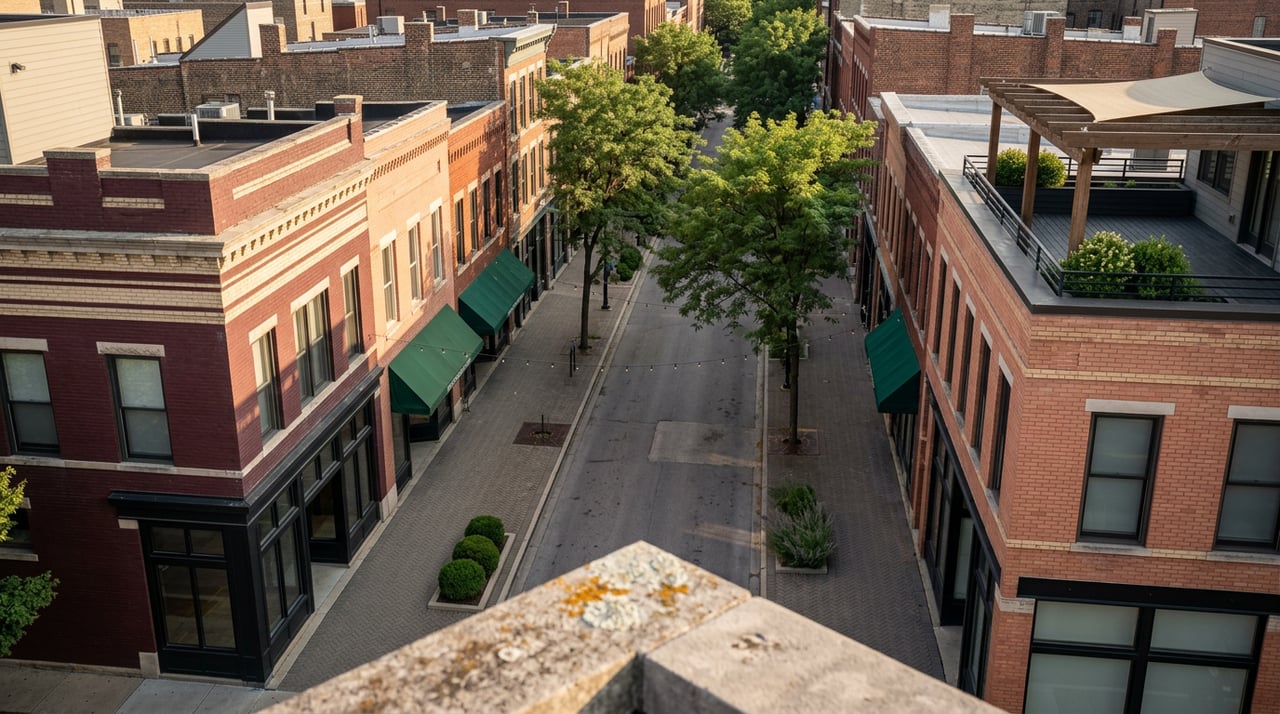
Downtown Indianapolis is the strongest fit if you want a more event-driven, urban experience. Monument Circle is the civic and cultural heart of the city, while the Downtown Canal offers recreation and scenic public space.
Downtown also includes destinations like Mass Ave and Fountain-Fletcher, where you will find arts venues, restaurants, boutiques, music, and established neighborhoods close to the action. If your ideal weekend includes walking to dinner, catching a show, or staying close to major sporting and cultural events, downtown may check more boxes.
Carmel offers a more polished suburban setting with strong mixed-use pockets. The city’s Arts & Design District connects to City Center and Midtown, creating an amenity-rich environment with public spaces, restaurants, arts venues, and the Monon corridor.
If you want suburban living but still value walkable districts, trails, and a curated town-center feel, Carmel often stands out. It is typically the highest-cost option among the areas compared here, but it also offers a strong mix of design, amenities, and mixed-use development.
Fishers has built much of its identity around newer development and an active suburban core. The city describes the Nickel Plate District as a place to live, work, and play, with trails, events, housing, offices, and restaurants clustered together.
If you are drawn to modern mixed-use spaces and newer housing options, Fishers may feel like the best middle ground. It gives you suburban housing choices with an increasingly active central district.
Noblesville brings together historic downtown character and outdoor access. The city emphasizes the Riverwalk and park system, along with Federal Hill Commons, Seminary Park, the White River, and more than 876 acres of parkland.
If you want a north suburb with a more traditional small-city feel, Noblesville may be your match. It often appeals to buyers looking for a blend of history, trails, public green space, and a slightly less intense pace than downtown or newer mixed-use centers.
Here is a simple way to frame the choice:
| Area | Best Fit For | Housing Feel | Mobility Feel |
|---|---|---|---|
| Downtown Indianapolis | Urban convenience and proximity to downtown activity | Apartments, lofts, condos, historic nearby neighborhoods | Strongest transit and car-light options |
| Carmel | Amenity-rich suburban living | Higher-cost mix of detached homes, condos, flats, and townhomes | Trail-oriented with walkable districts |
| Fishers | Newer mixed-use suburban growth | Broad mix of suburban housing types and newer communities | Car-oriented with growing trail connections |
| Noblesville | Historic north suburb feel with outdoor access | Blend of historic character, apartments, townhomes, and single-family homes | Car-oriented with extensive trails and greenways |
It is smart to think beyond move-in day. If you may rent out the property later, local rules can matter.
Carmel’s rental registration program took effect February 1, 2026 and limits rentals to 10% of homes in a subdivision, with HOA rules that may be stricter. Fishers has a similar ordinance effective January 1, 2026 that requires registration and permits for long-term rentals and also caps rentals below 10% per subdivision, according to the research provided.
That does not mean these areas are off the table. It simply means your future plans should be part of the conversation if you may relocate again, keep the home as an investment, or want more flexibility later.
If you are still deciding, ask yourself these questions:
There is no universal right answer. The best choice is the one that matches your budget, housing goals, and the way you actually want to live each day.
If you are comparing downtown Indianapolis with Carmel, Fishers, or Noblesville, local guidance can make the process much easier. At Shelly Walters, our family-centered team helps buyers and relocators sort through the tradeoffs, narrow the options, and find a home that fits both your lifestyle and your long-term plans.
Stay up to date on the latest real estate trends.

Partnering with our team means more than just buying or selling a home — it means having trusted experts by your side every step of the way. We combine deep market knowledge, innovative strategies, and a commitment to exceptional service to deliver results you can count on. Whether you’re a first-time buyer, a seasoned investor, or ready to sell your property, we’ll guide you with professionalism, integrity, and care.