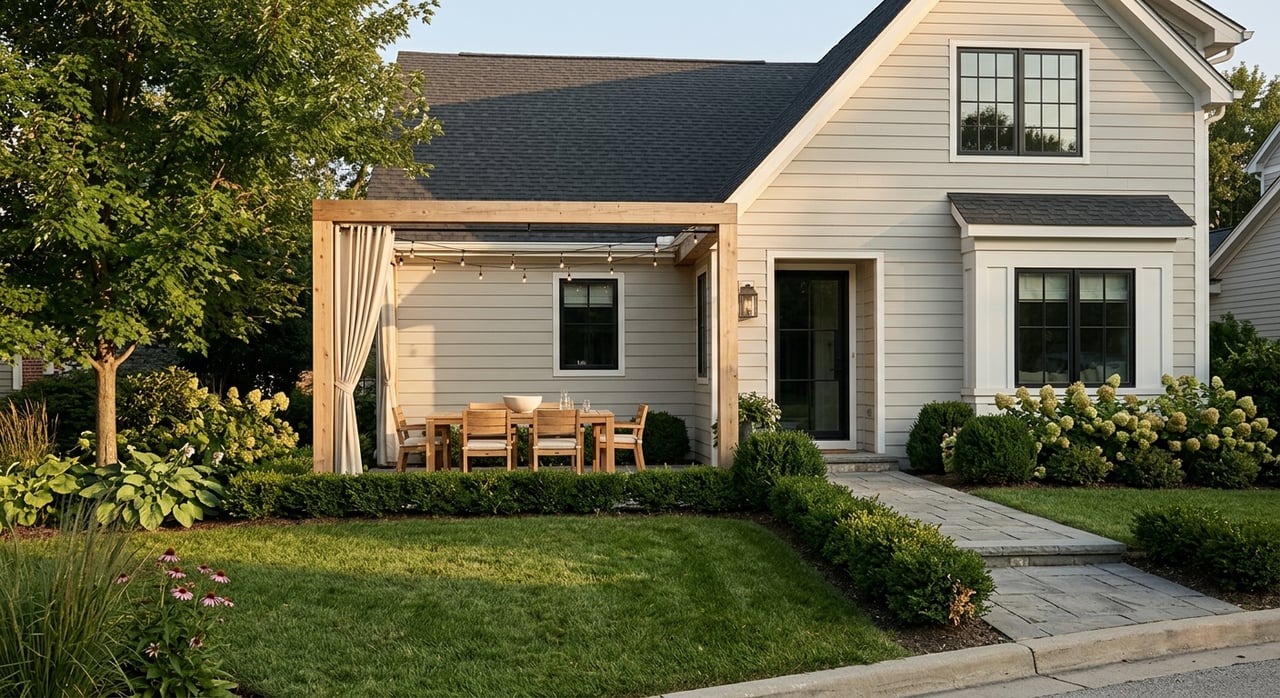
Your Guide to Carmel Indiana Neighborhoods
June 4, 2026
June 4, 2026
Wondering where you might fit best in Carmel? That is a smart question, because Carmel is not a one-size-fits-all suburb. Your day-to-day life can look very different depending on whether you want trail access, mixed-use living, quieter residential streets, or a master-planned setting with built-in amenities. This guide breaks down Carmel’s neighborhoods and lifestyle options so you can better understand what each area offers and where to start your home search. Let’s dive in.
Carmel covers about 50.08 square miles and had 99,757 residents in the 2020 Census. Even with that size, the city is often discussed as one place when it really functions as several distinct districts with different housing patterns and daily routines.
Official planning documents divide Carmel into four broad districts: East Carmel, North Central Carmel, South Central Carmel, and West Carmel. That district-level view is helpful because it gives you a clearer picture of how homes, parks, shopping, and mobility vary across the city.
Another big part of Carmel’s identity is how people move through it. The city says it has more than 150 roundabouts, a 5.2-mile portion of the Monon Greenway within city limits, and a broader bikeway network built for commuting and recreation. If you are choosing between neighborhoods, access and travel feel can be just as important as home style or lot size.
For many buyers, North Central Carmel offers the most connected, activity-rich lifestyle in the city. This area includes several of Carmel’s best-known mixed-use and cultural destinations, along with trail access, public gathering spaces, and major retail nodes.
The parks plan also identifies major community resources in this district, including Carmel High School, Carmel Elementary, Carmel Clay Public Library, The Center for the Performing Arts, and the Monon Greenway. Retail centers like Clay Terrace, Merchants’ Square, and Kroger Plaza add to the area’s convenience and daily-use appeal.
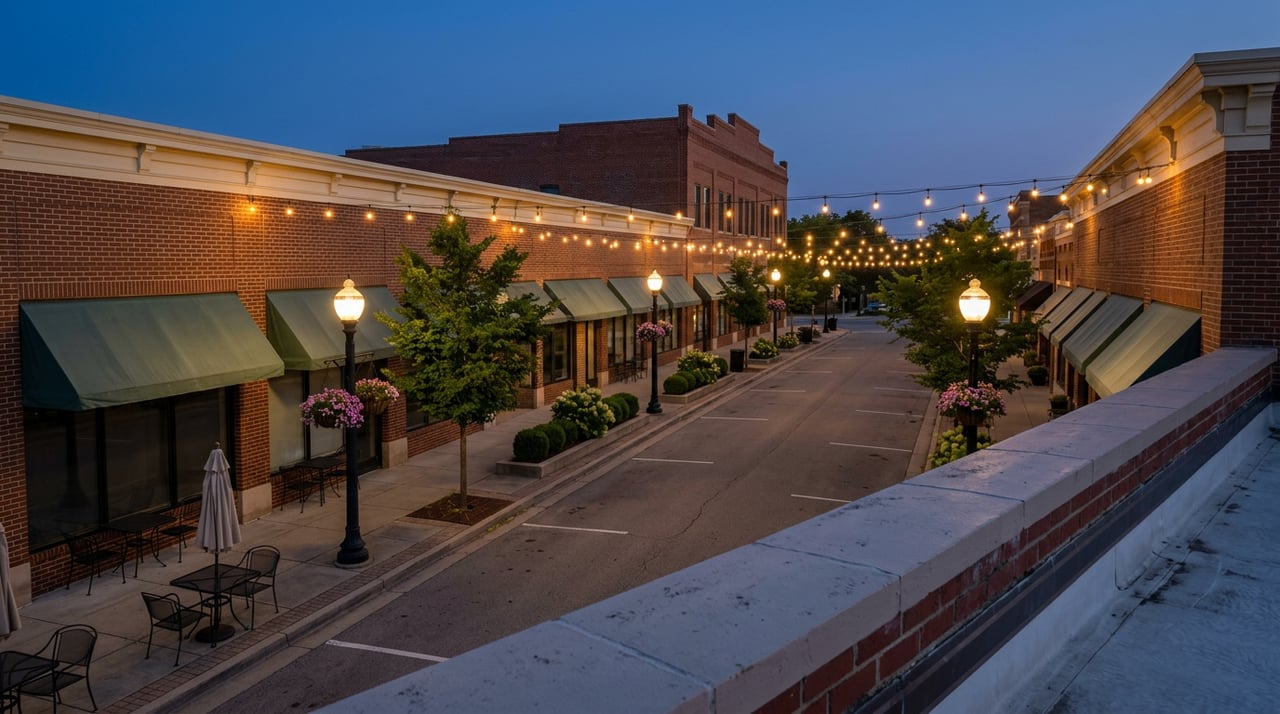
The Arts & Design District grew out of the redevelopment of Old Town Carmel. The city says the district preserved historic charm while adding important infrastructure like storm sewers, sidewalks, and lighting.
Today, the district includes more than 11 galleries, shops, boutiques, antique dealers, restaurants, nightlife spots, and residential options such as condos and apartments above commercial space and along the Monon Greenway. If you picture a more walkable, arts-oriented routine with dining and trail access nearby, this is one of Carmel’s clearest matches.
City Center is Carmel’s downtown mixed-use core. The city says Phase I includes apartments, for-sale condos, retail, and office space, and City Center Drive was built to create more direct access from 126th Street to the Meridian Street and U.S. 31 corridor.
This district is also home to The Center for the Performing Arts, a campus that includes the Palladium, the Tarkington, and the Studio Theater. Carter Green adds another layer of activity, hosting the farmers market, Christkindlmarkt, and other city festivals.
Midtown sits between the Arts & Design District and City Center and helps connect the two. The city describes it as a revitalization of Carmel’s old industrial area, now featuring green spaces, benches, public art, a spray plaza, big-screen entertainment, ping-pong, bocce, and cornhole.
Together, City Center and Midtown create Carmel’s most urban-style daily experience. If you want entertainment, events, mixed-use housing, and public spaces all within a concentrated area, this part of Carmel is worth a close look.
West Carmel offers a different pace and setting. City planning documents describe this area as having historically included horse farms, estate homes, agricultural land, and open space, and they note that it still has significantly lower-density residential areas than East Carmel.
The same plan says West Carmel includes two significant public parks, two golf courses, the Village of WestClay, and the least developed road network among Carmel’s districts. For buyers, that often translates into a more residential and open-space feel.
The Village of WestClay is one of Carmel’s best-known planned communities. The community describes itself as self-contained and designed for an active lifestyle, with workout facilities, tennis and basketball courts, pools, paths, meeting spaces, dining, and shopping.
It also highlights summer concerts, holiday festivities, and special-interest clubs as part of community life. If you want a neighborhood where amenities and social opportunities are built into the setting, WestClay stands out.
West Carmel can be a strong fit if you want a master-planned environment or a more spacious residential feel. Compared with the north-central core, this area is less about a downtown rhythm and more about neighborhood amenities, open land patterns, and lower-density development.
That does not mean one option is better than the other. It simply means your best fit depends on how you want your week to look, from errands and recreation to commute routes and home surroundings.
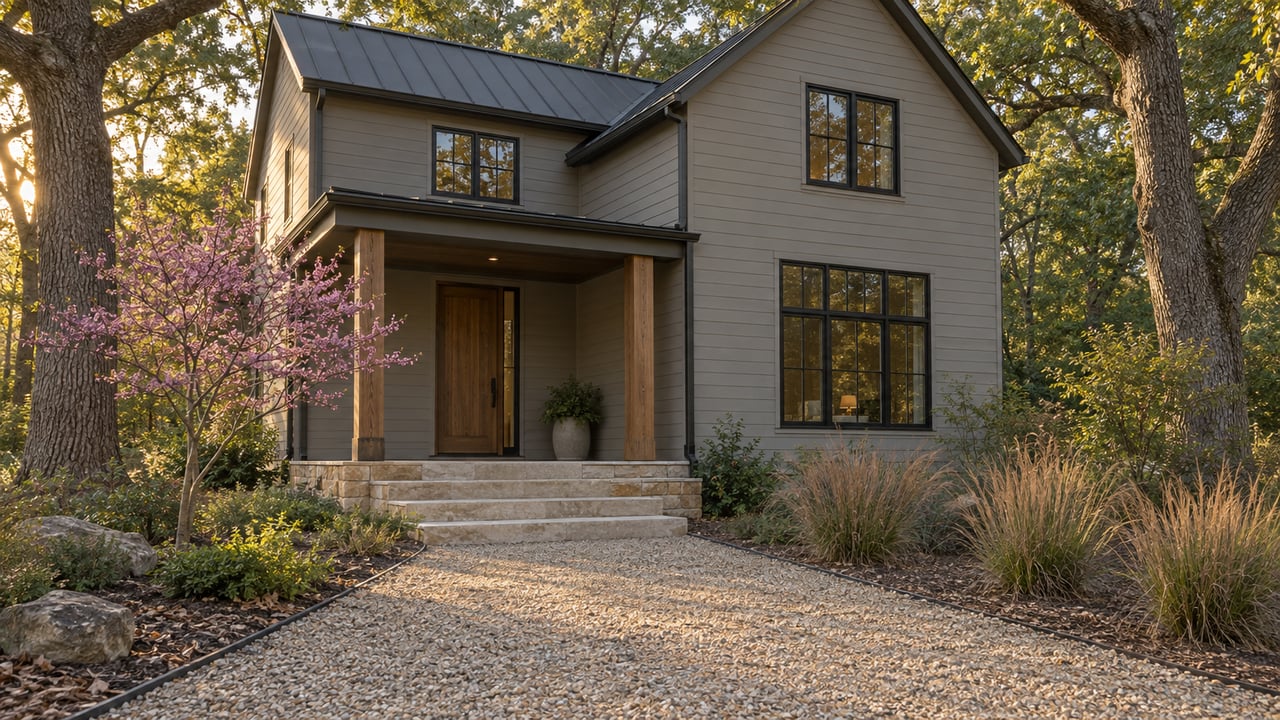
East Carmel is described in the parks master plan as suburbia with curvilinear streets, mostly single-family homes, many custom-built neighborhoods, and very little integrated commercial development. That makes it one of Carmel’s clearest examples of a primarily residential district.
Commercial nodes in East Carmel are more limited, with examples including Brookshire Village Shoppes and Hazel Dell Corner. At the same time, the district includes ten municipal and county parks, an evolving river greenway, and three golf courses.
For buyers who prefer established residential neighborhoods and fewer mixed-use clusters nearby, East Carmel may feel like a natural fit. It can be especially useful to think about if your priority is home-centered living with parks and recreation woven into the broader area.
South Central Carmel has its own distinct housing story. The city’s planning documents say this district includes a large amount of residential development from the 1950s through the 1970s, the recently annexed Home Place village, some large-lot residential areas, and only limited apartments and condominiums.
The same plan notes that pedestrian mobility is limited here, car access remains important, and commercial activity is concentrated in Home Place and along the 96th Street corridor. If you are comparing daily routines, this is useful context.
In practical terms, South Central Carmel may appeal to buyers who want a quieter residential setting and do not expect a highly walkable mixed-use environment. Like East Carmel, it reflects a more traditional neighborhood pattern than the north-central core.
Carmel’s lifestyle is not defined by housing alone. Public amenities, trails, community spaces, and civic destinations all help shape what it feels like to live here.
The Monon Greenway is a major example. The city says the trail runs from 96th Street to Westfield and serves walkers, bicyclists, runners, and rollerbladers while connecting to Carmel’s broader Access Bikeway network of eight cross-city routes and five loops.
If trail access matters to you, it is worth paying attention to how close a neighborhood sits to the Monon or to bikeway connections. In Carmel, those links can influence how easily you reach dining, events, parks, and everyday destinations.
Clay Terrace is another major lifestyle anchor in north Carmel. The city says it is located between 146th Street and U.S. 31 and includes more than 70 retailers, while the center also hosts more than 30 events per year.
Carmel Clay Schools also plays a meaningful role in how many buyers evaluate the city. The district says it serves about 16,000 students across 15 school sites, including 11 elementary schools, 3 middle schools, and 1 high school.
The easiest way to think about Carmel is by matching your lifestyle to the right district. Instead of asking which neighborhood is best, ask which daily routine feels most like home to you.
Here is a simple way to frame it:
This kind of district-based approach is one of the most practical ways to narrow your search. It helps you focus not just on the home itself, but on how the area supports your everyday life.
If you are buying in Carmel, a local guide can help you compare neighborhoods with your actual priorities in mind. That includes the style of housing you want, how you like to get around, and what kind of setting feels most comfortable for your next move.
When you are ready to explore Carmel with a team that knows how lifestyle and location work together, Shelly Walters is here to help. Let our family help your family.
Stay up to date on the latest real estate trends.
Partnering with our team means more than just buying or selling a home — it means having trusted experts by your side every step of the way. We combine deep market knowledge, innovative strategies, and a commitment to exceptional service to deliver results you can count on. Whether you’re a first-time buyer, a seasoned investor, or ready to sell your property, we’ll guide you with professionalism, integrity, and care.