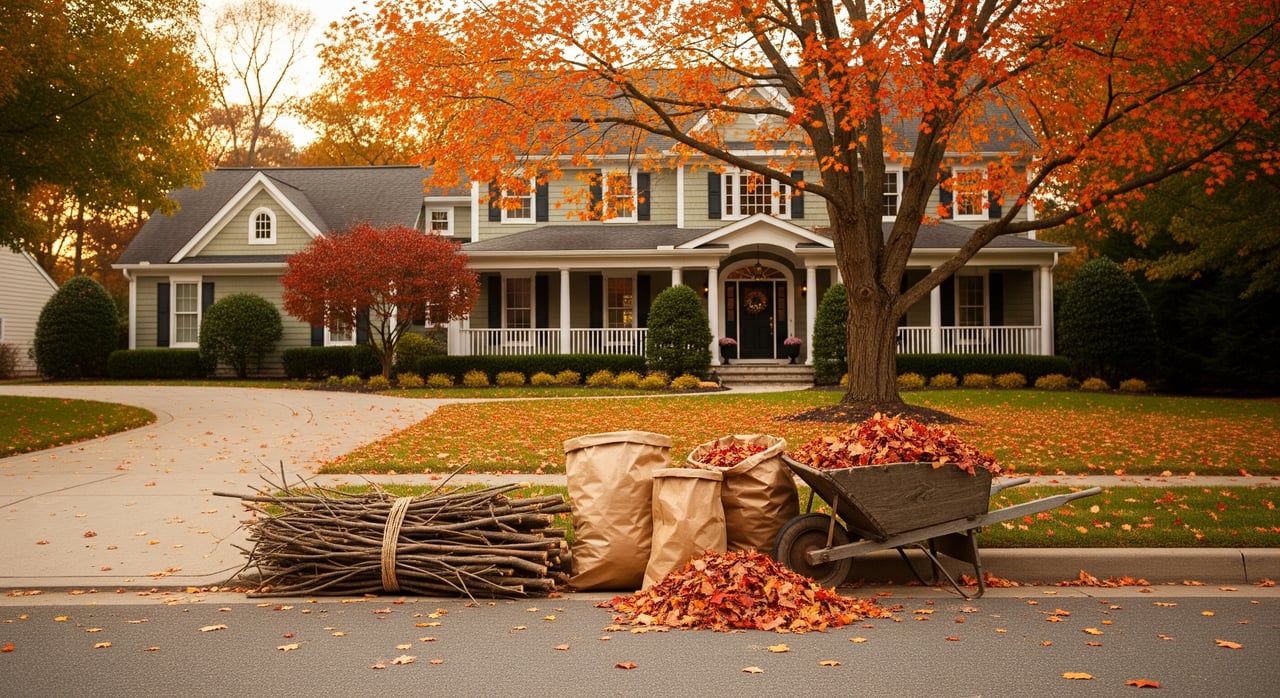
Your Guide to Greenwood Leaf, Limb & Trash Services
October 16, 2025
October 16, 2025
What day is trash day, where do limbs go, and when do leaf vacs roll through Greenwood? If you have ever wondered how to handle seasonal leaves, storm debris, or a bulky couch, you are not alone. This quick homeowner guide explains what typically applies in Greenwood, how to prep materials, and where to look for official updates so you avoid extra trips and surprise fees. Let’s dive in.
Before you roll carts to the curb, confirm who serves your address. Some Greenwoods handle trash and yard waste through a city contract, others rely on private haulers or county services. Billing, pickup rules, and bulk scheduling often depend on this.
Most programs use city or hauler‑provided carts. Typical guidelines include setting carts out by early morning, often by 7 a.m., and bringing them in the same evening. Cart sizes commonly range from 65 to 95 gallons. Check your hauler or city page for exact setout times, container sizes, and rules for extra bags or tags.
Many cities run seasonal curbside leaf collection in the fall. In Greenwood, IN, a 2023 announcement noted that the city begins curbside leaf pickup in autumn, asks residents not to bag leaves during vacuum operations, and cycles through zones roughly every 10 to 15 business days. See the example announcement. Always verify the current year’s dates on the city’s announcements page.
Rules vary, but communities commonly require you to bundle limbs and separate them from leaves.
Large items usually require a scheduled pickup or a monthly bulk day, with limits or fees. As an example of how these services are coordinated, Greenwood Village provides details and requires residents to schedule large item pickup through Public Works and the contracted hauler. See how scheduling works in practice. Check your local page for the exact process and fees.
Recycling can be single‑stream or sorted. Program pages list accepted materials, contamination rules, and cart sizes. If you live in a contracted‑hauler community, your city may outline service standards and who to call for missed pickups. For a model of how a city explains trash, recycling, and contractor roles, review Greenwood Village’s Trash & Recycling overview. Confirm your Greenwood’s specific list of accepted materials and pickup frequency.
Household hazardous waste and electronics are rarely collected with regular trash. Many communities use a vendor service or host special events. For example, Greenwood Village partners with a vendor for at‑your‑door hazardous and electronic waste collection. See a sample HHW program. Check your city or county solid waste page for the correct vendor, scheduling steps, and fees.
If you are in Indiana, the state environmental agency provides guidance on yard waste management and composting, which can affect local policy. Review the Indiana Department of Environmental Management’s yard waste information for context. Explore IDEM’s guidance.
After severe weather, debris collection may run on a special schedule with different rules from normal service. Announcements often come from Public Works or Emergency Management, and FEMA guidance can play a role when a disaster is declared. Follow your city’s latest updates before setting out storm debris.
If you live in an HOA, your community may set stricter rules for staging materials, which days are allowed, and whether landscapers must remove their own waste. Many municipalities require contractors to haul away debris from tree work. Check your HOA documents and city code before scheduling big projects.
Many counties operate landfills, transfer stations, or convenience centers for items that do not qualify for curbside pickup, and some offer mulch or compost. For example, Greenwood County, South Carolina, lists accepted items and hours for its solid waste sites. See a model county page. Visit your local county site to confirm hours, proof‑of‑residency requirements, and any fees.
Getting these details right saves you time and keeps Greenwood looking great. If you need a neighborhood‑savvy perspective before you list or buy, reach out to Shelly Walters for local guidance and connections that make home care and home moves simpler.
Stay up to date on the latest real estate trends.







Partnering with our team means more than just buying or selling a home — it means having trusted experts by your side every step of the way. We combine deep market knowledge, innovative strategies, and a commitment to exceptional service to deliver results you can count on. Whether you’re a first-time buyer, a seasoned investor, or ready to sell your property, we’ll guide you with professionalism, integrity, and care.